Personal vs Business LinkedIn Posting

LinkedIn is an important tool, but it has changed a lot in the last few years. What used to feel like a digital resume board is now a place for education, engagement, and credibility building.
If you are posting on LinkedIn as a business owner, leader, or marketer, one of the most common questions we hear is: “Should this live on my personal profile or our business page?”
The answer depends on your goals. Personal and business profiles serve different roles, and understanding that difference makes content planning much easier. Let’s review both sides of the coin!
Why Personal Profiles Matter on LinkedIn
Personal profiles tend to be where real engagement happens. LinkedIn is still a professional platform, but it is driven by humans connecting with other humans..
When someone connects with you on LinkedIn, they are choosing to hear from you, not just the company you work for. That makes a big difference in reach and trust.
Personal profiles matter because:
- People connect with people, not logos
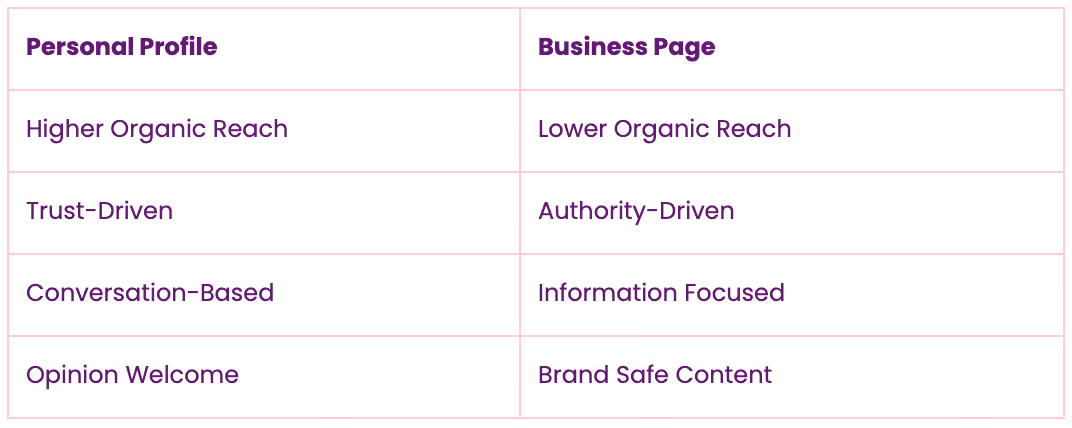
- Personal profiles often receive more organic reach than business pages
- They help establish thought leadership and credibility
- They humanize your role within the organization
For leadership teams, especially, personal profiles are an extension of the brand, whether that is intentional or not.
What to Post on a Personal LinkedIn Profile
Personal posting does not mean sharing everything about your life (even though we’ve all witnessed someone posts way too personal of updates online). Posting as yourself on LinkedIn means sharing professional content through a personal lens.
Warning: This can be a slippery slope to inauthentic, though, when you try to turn average moments into prolific business lessons. We swear you don’t need to connect how your kids played soccer to how you lead your team at the office (unless you’re the literal coach, maybe).
That means the most effective personal posts usually fall somewhere between polished and real. These posts offer insight, experience, or perspective that someone else can learn from. Some examples:
- Professional lessons learned through real work
- Industry observations or trends with your take on them
- Wins, challenges, or moments of growth
- Behind-the-scenes context that adds meaning to your work
- Company content shared with personal insight or reflection
Personal LinkedIn Posting Tips
How you write matters just as much as what you post. LinkedIn rewards content that keeps people reading and commenting. A few best practices:
- Lead with a strong first line that sparks curiosity
- Keep paragraphs short and easy to scan (we like to call this content chunking)
- Use stories instead of announcements whenever possible
- Focus on comments and conversation, not just likes
- Write in your natural voice, just slightly refined
- Repost others’ content with your own thoughts.
Hint: If your post sounds like something your marketing team would publish, it might belong on the business page instead.
What Not to Post on a Personal Profile
Personal does not mean unfiltered. LinkedIn is still a professional space, and boundaries matter. Content that tends to underperform or cause issues includes:
- Highly personal updates unrelated to your work or industry
- Inside jokes or references only your coworkers understand
- Emotional rants or reactive posts
- Content you would not want to discuss in your next meeting
- Showboat-y content without context and humility added to it
The Role of a Business LinkedIn Page
Business pages serve a different purpose than personal profiles. They act as the official home base for your brand on LinkedIn. While business pages typically get less organic reach, they are still important for legitimacy, consistency, and visibility.
A business LinkedIn page helps:
- Establish brand credibility
- Share official announcements and updates
- Highlight services, case studies, or resources
- Support recruiting and employer branding
Think of the business page as the foundation, not the main conversation driver.
What to Post as a Business
Business content works best when it is clear, useful, and visually engaging. These posts should answer the question, “Why does this matter to our audience?” Effective business page content includes:
- Company announcements and milestones
- Educational or tips-based posts
- Case studies and results
- Employee reminders, highlights, or culture moments
- Amplifying employee posts and perspectives
Hint: Encouraging your team to engage with and share business posts can significantly improve visibility.
Business LinkedIn Posting Tips
It is important to set realistic expectations for business pages on LinkedIn. A few things to keep in mind:
- Visuals play a bigger role here than on personal profiles
- Captions should be straightforward and value-driven
- Organic reach is often limited without paid support
- Consistency matters more than posting frequently
- Business pages support the brand narrative, while personal profiles help spread it.
So, Which One To Focus On?
If you have the capacity, the strongest approach is to use both together.
A simple framework looks like this:
- Personal profiles drive connection, reach, and thought leadership
- Business pages provide credibility, clarity, and consistency
When employees and leaders actively share and engage with company content, LinkedIn starts to work as an ecosystem instead of a single channel. And if you are not posting yet because you want to get it right first, don’t put so much pressure on yourself! It’s better to get started than to plan forever.
If you need help building that strategy, that is exactly what we help our clients figure out!
More Stories

Why Our Brains Love Stories

Zeeland's Biggest Fan: Abby deRoo